


Serving up Another Ace. Our own Little Game – Pickleball – Reaches Another Milestone: Getting its own Washington License Plate!


We all know that Bainbridge Island is where Pickleball was founded some 60 years ago. The game has sense blossomed into an international sports phenomenon with nearly 5 million players worldwide. Now comes along another Pickleball milestone. This past week, Washington served up a new license plate honoring the state sport of pickleball.
In the works for three years, the Pickleball plate is the second of seven specialty plates to hit the streets since getting approved by state lawmakers earlier this year.
ADVERTISEMENTS:
 Chris Miller – Windermere Real Estate Bainbridge


“We’re thrilled to see our efforts become reality,” says Kate Van Gent, vice president of the nonprofit Seattle Metro Pickleball Association, the force behind the effort. “The goal has always been to celebrate the sport created here in Washington and enjoyed across the state.”
Pickleball is a tennis-like sport played with wooden paddles and a plastic ball. It was named the state sport under a 2022 law signed by then-Gov. Jay Inslee, in a ceremony held at the Founder Courts at Battle Point Park. Today, it is one of the fastest-growing sports in the country.
Van Gent and fellow association leaders began pursuing a plate in 2023. Gathering the required 3,500 signatures on petitions was easy. Getting a law passed wasn’t. They came up short in 2023 and 2024.

This year, state lawmakers included the pickleball plate in an omnibus bill pieced together and passed by overwhelming margins in each chamber. It is named “Bill’s Bill” for Sen. Bill Ramos of Issaquah, one of those leading the legislative effort, until his unexpected death a week before the session ended.
It is one of 13 specialty plates authorized in the law. Seven are getting phased in now. The timeline for the other six is tied to other factors, such as submitting signatures.
A set of pickleball plates will run $157.25, a bit more if you want to personalize them. After covering the state’s production costs, a portion of the fee will go to the sponsoring nonprofit.
Proceeds received by the association will be used for building and maintaining dedicated public pickleball courts.
In the days leading up to the Wednesday Nov. 19th launch, the association conducted an auction for the privilege of buying one of the first plates available. Those funds will go entirely to the association for its work to develop courts and promote the sport, Van Gent said.
Bees, a bear and a volcano

Earlier this month, the state licensing department rolled out a throwback plate design, featuring white letters and numbers on an all-black background. It had sold 177 by Nov. 4.
A plate used briefly in the early 20th century had a similar design, according to the agency. Proceeds from the retro plates will go toward expanding and improving driver education.
Pollinators will star on the next new plate, though a release date isn’t set. The Washington State Beekeepers Association will use money raised for research and educational activities about honey bees.
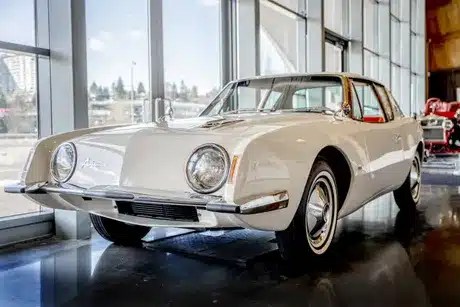
After that, a plate sponsored by the LeMay-America’s Car Museum in Tacoma is expected. Any funds generated will go toward education and job training related to automobiles.
There is less clarity on when three other plates will become available.
A plate showcasing Mount St. Helens, Washington’s most active volcano, awaits a redesign after the first one failed testing.
The state Department of Transportation tests specialty plates to ensure they can be read by traffic cameras. Sometimes the colors or the size of the graphics can interfere. If that happens, changes are made, approved by the sponsoring organization, and the plate retested, officials said.
For two others, negotiations are taking place with the Department of Licensing and the state agencies sponsoring them.
One of those, Keep Washington Evergreen, will support the deployment of electric vehicle charging stations. Sponsored by the Department of Commerce, this plate will have green lettering on a white background similar to a design available in the 1970s.
The other one on hold is a Smokey Bear plate, proceeds from which will be directed into wildfire prevention programs. This comes from the Department of Natural Resources, where former public lands Commissioner Hilary Franz first championed it.
Plates issued under the state’s new law will join the nearly 70 different special license plates in Washington recognizing the military, sports teams, colleges, farmers, orcas, lighthouses, square dancers and wine. Fees vary, with the money generally going to causes tied to each plate.
Six plates in the pipeline
 Other specialty plates in the works include:
- A working forests plate to support the Washington Tree Farm Program. That program helps certify small landowners who practice sustainable forestry.
- A nautical Northwest plate to celebrate Whidbey Island’s maritime communities. Money raised would go to Whidbey Island Maritime Heritage Foundation and Historic Whidbey.
- A donate life plate with proceeds going to Life Center Northwest to build awareness for organ donation.
- A firefighter memorial plate with funds going to the Washington State Council of Firefighters to benefit firefighters and their families in need.
- A Naval Academy plate with receipts going to the state’s Veterans Stewardship Account to benefit veterans or their families. Washington now has six armed forces special license plates.
- A Seattle Reign FC plate with proceeds going to the RAVE foundation, the nonprofit charity for the club and for the Seattle Sounders. The Sounders already have a license plate
Jerry Cornfield is a reporter with the Washington State Standard https://washingtonstatestandard.com, which is part of States Newsroom, a nonprofit news network supported by grants and a coalition of donors as a 501c(3) public charity. Washington State Standard maintains editorial independence. It’s mission is to keep the public informed about Washington’s most pressing issues, the decisions elected leaders are making, how they are spending tax dollars and who is influencing public policy. TIW’s Kevin Dwyer contributed to this report. Above license plate photo courtesy of Seattle Metro Pickleball Association.
If you’d like to read more articles from The Island Wanderer Blog website, click here, to subscribe to The Island Wanderer Blog, click here.ADVERTISE WITH US! We offer exceptional rates and packages for advertisers, to learn more, contact us at Contact Us | THE ISLAND WANDERER


